Spring Cleaning Meets Pest Control Services in Sussex County
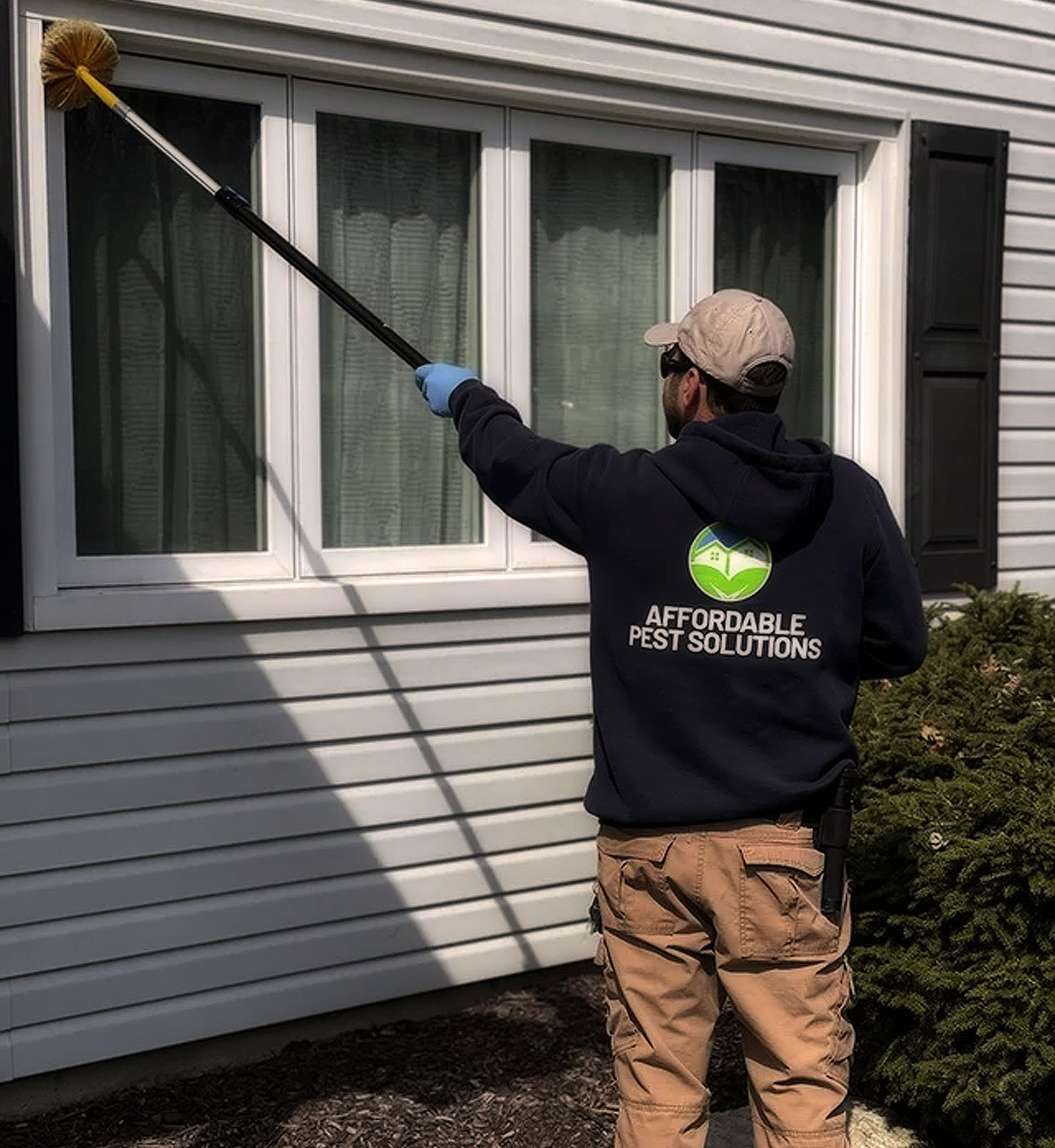
Spring cleaning has a way of exposing the truth about a house. You move the storage bins in the basement and find a trail of droppings behind them. You pull the patio cushions out of the shed and notice a paper nest tucked into the rafters. You finally clean under the kitchen sink and catch the faint, musty smell that often points to moisture, and where there is moisture, pests rarely lag far behind.
In Sussex County, spring arrives with a little drama. One warm week can send ants marching indoors, then a cold snap pushes mice back toward shelter, then a rainy stretch stirs up mosquito breeding and termite swarmers all at once. That rhythm matters. Homes here are not dealing with a single pest season so much as a handoff between winter holdovers and spring arrivals. The cleaning tasks people already plan to do in March, April, and May often overlap almost perfectly with the conditions that either invite pests in or force them out.
That is why spring cleaning and pest prevention belong in the same conversation. A deep clean does more than freshen the house. It removes food residue, exposes hidden entry points, helps you spot leaks early, and makes it easier to judge whether you need professional help. Homeowners who treat cleaning as part of a larger pest strategy usually spend less time chasing infestations later in the year.
What changes in spring around Sussex County homes
By late winter, many pests have already spent months inside wall voids, crawl spaces, attics, garages, and utility areas. Rodents seek warmth and consistent food. Cockroaches gravitate to moisture and darkness. Overwintering stink bugs and cluster flies wake up as temperatures rise. Then spring adds a second wave. Ant colonies become active. Termite swarmers appear. Wasps scout places to build new nests. Ticks and mosquitoes start to re-enter the picture once vegetation and standing water increase.
Sussex County adds its own local flavor to that cycle. The housing stock ranges from older farmhouses with generous gaps around foundations to newer developments with tight envelopes but complex rooflines, utility penetrations, and landscaping that can still create ideal pest pressure. Some properties back up to woods. Others sit near wetlands, open fields, or retention ponds. Detached sheds, screened porches, stacked firewood, crawl spaces, and finished basements all create different vulnerabilities.
That variety is one reason homeowners often underestimate risk. A clean home can still have termites. A newer home can still have mice. A tidy kitchen does not stop odorous house ants if mulch is piled high against the foundation and a plumbing drip gives them a water source. The point is not to create alarm. It is to understand that pest activity in spring usually follows a few simple needs: food, water, shelter, and access.
Why spring cleaning is the best inspection window of the year
When people clean deeply, they do things they do not normally do every week. They empty cabinets completely. They vacuum behind appliances. They reorganize garages. They wash windows and examine frames. They sort through cardboard in the basement. All of that reveals signs that routine life hides.
A small line of fine sawdust near trim may turn out to be carpenter ants pushing frass from a nesting site. Tiny black specks under the sink might be roach droppings or simply old coffee grounds, but cleaning forces you to look close enough to tell the difference. A soft section of wood along a sill can point to moisture damage that later attracts wood-destroying insects. You might even notice the more subtle clues that seasoned technicians pay attention to, such as greasy rub marks along a wall where mice travel, pinhole gaps near pipe penetrations, or gnawing on stored pet food bags.
This is also the season when cleaning reduces the number of places pests can hide undisturbed. Storage rooms become less forgiving once clutter gets thinned out. A garage lined with packed cardboard and old textiles gives mice cover, nesting material, and safe runways. A more open, better-organized space changes that environment immediately.
The rooms that deserve extra scrutiny
Kitchens get most of the attention, and for good reason. Crumbs under the range, grease buildup near the stove, and food tucked deep in pantry corners all support ants, roaches, and rodents. Yet some of the most important spring cleaning happens outside the kitchen.
Basements and crawl spaces often tell the real story. They hold plumbing lines, condensation issues, sump pits, foundation cracks, and long-forgotten storage. If there is a recurring pest issue upstairs, the source often begins below. Attics deserve the same respect. A surprising number of homeowners never really inspect theirs, even though squirrels, mice, cluster flies, and wasps frequently use those spaces. Window screens, roof vents, and soffits should get a close look while the weather is still mild enough for repairs.
Laundry rooms are another hotspot. Lint, warmth, vibration, and occasional moisture leaks make them attractive. Pet areas matter too. The corner where the dog food bin sits or where litter is stored can quietly feed pests for months if it is not cleaned thoroughly.
Outdoors, spring cleaning should extend to the perimeter. That means clearing leaves from foundation edges, checking gutters, trimming back branches that touch the roof, and cleaning out sheds and playhouses. Every exterior cleanup choice affects what eventually crosses the threshold.
What homeowners often miss during a DIY cleanup
The most common oversight is focusing only on visible pests and missing the condition that supports them. Killing a few ants on the counter does not matter much if the colony is feeding from a moisture-damaged window frame. Setting traps for mice helps, but if the dryer vent gap can fit a fingertip, more mice will follow. Spraying a wasp nest in the eaves solves one immediate problem, yet the same house may still have several sheltered spots where queens can start over.
Another mistake is relying on strong-smelling cleaners or store-bought sprays as if they act as prevention. Cleaners remove residues, which is useful. Sprays may knock down surface activity, which can also be useful in a narrow sense. But neither replaces inspection, exclusion, or moisture control. In some cases, overusing aerosol products indoors complicates a professional treatment later because pests are driven deeper into walls or into neighboring rooms.
There is also a timing issue. Many spring infestations are small enough to control if caught early. By early summer, the same issue can be harder and more expensive to address. Termite swarmers are a good example. People often sweep them up and move on, assuming they came from outside. Sometimes they did. Sometimes they emerged from within the structure. That distinction matters.
The spring cleaning tasks that pull double duty
When homeowners ask what cleaning jobs help most with pest prevention, the answer is usually not glamorous. It is the basic, physical work of removing attractants and exposing access points.
- Pull out major appliances and vacuum grease, crumbs, and dust from behind and beneath them.
- Empty lower cabinets and inspect for leaks, droppings, gnaw marks, and warped materials.
- Replace damaged weatherstripping and repair torn screens on doors, windows, and vents.
- Reduce cardboard storage, especially in basements, garages, and utility rooms.
- Clean gutters and make sure downspouts carry water away from the foundation.
Each of those jobs pays off in more than one way. Take cardboard, for instance. People like it because it is free and easy to stack. Rodents and roaches like it for the same reason, plus it holds moisture and provides cover. Or consider gutters. Overflowing gutters can soak the soil near the foundation, which in turn supports ants, mosquitoes, and conditions that are simply too favorable for termites and wood decay.
Where professional pest control fits in
There is a practical limit to what spring cleaning can accomplish. Cleaning can reveal a problem, reduce pressure, and remove some of the ingredients pests need. It cannot inspect the inside of wall voids, identify every species accurately from a casual sighting, or seal structural gaps that require trade skill. It also cannot establish whether a pest issue is isolated or part of a larger pattern on the property.
That is where Pest Control Services Sussex County homeowners rely on can make a noticeable difference. A good service visit in spring should not start with a generic spray and a quick invoice. It should start with questions. What have you seen, and where? When did it begin? Has there been water intrusion, construction work, tree removal, or changes in landscaping? Then comes a property-specific inspection, indoors and out.
Experienced technicians read houses the way mechanics read engines. They notice the ant trail that disappears under the siding, the shrubbery that creates a hidden bridge to the roofline, the old bait stations from a previous owner, the uncapped cleanout, the detached weatherstrip on the side garage door. They also understand seasonal nuance. A few large black ants in early spring mean something different than a steady stream of tiny odorous house ants in June. A mouse caught in the pantry in March may reflect winter pressure that is ending, or it may signal a breeding population still active in the wall void behind it.
Termites, ants, rodents, and stinging insects, the usual spring lineup
Termites get the most fear, and some of that fear is justified because structural damage can accumulate quietly. Spring is swarm season in many areas, and swarmers around windows or lights are often the first sign a homeowner notices. Not every swarmer sighting means an active infestation inside the house, but every sighting deserves informed attention. What matters is where they appeared, how many there were, and whether there are supporting signs such as mud tubes or damaged wood.
Ants are more varied than people realize. Pavement ants, odorous house ants, and carpenter ants all behave differently. A kitchen trail after rain usually points to one set of conditions. Large ants around damp wood point to another. Misidentifying them leads to weak treatment decisions. A homeowner might wipe down a visible trail every day and think the problem is random, when in fact a colony is nesting under a slab edge or inside a moisture-softened window frame.
Rodents often linger into spring because houses continue to offer shelter even after outdoor food returns. This is especially true for homes with unfinished storage spaces, easy entry around utilities, or abundant birdseed and pet food nearby. Mice do not need much room to get inside. Homeowners are often shocked by how small the access point can be. The old rule of thumb, that if you can fit a pencil through a gap a mouse may work through it, is not perfect, but it gets people to take small openings seriously.
Stinging insects create a different kind of urgency. Wasps and hornets start small in spring, which is exactly why that is the best time to act. A nest the size of a walnut in April becomes a much less pleasant situation by midsummer. Sheds, attic vents, porch ceilings, deck rails, and play equipment deserve attention before regular outdoor life picks up.
A few signs that justify calling sooner rather than later
- Repeated pest sightings in the same area after cleaning and basic sealing efforts
- Evidence of gnawing, droppings, or rub marks in more than one room
- Swarming insects indoors, especially near windows, doors, or light fixtures
- Soft, blistered, or moisture-damaged wood with insect activity nearby
- Nests in difficult or elevated locations where safe removal is not straightforward
This is not about turning every bug sighting into a service call. An isolated spider in a basement is not a crisis. Neither is a single ant on the counter. But patterns matter. Recurrence matters. The combination of moisture, wood damage, and insect activity matters even more.
The role of exclusion, and why it often outperforms repeated treatment
One of the best returns on investment in pest work is exclusion, meaning physically blocking entry and reducing conditions that let pests settle in. It is not flashy. It does not smell like pesticide. But it works.
Spring is an ideal time for it because the defects are easier to spot while you are already cleaning and repairing. Door sweeps wear down. Caulk shrinks. Screens tear. Utility penetrations loosen. Garage doors develop small daylight gaps at the corners. Rooflines and soffits age unevenly. No single opening may seem important, yet together they create a low-effort route inside.
A homeowner in Sussex County might spend a weekend pressure washing, mulching, and setting out planters, while the back door sweep remains bowed upward just enough for crickets, spiders, and mice to pass under. That is the kind of detail a pest inspection often catches immediately. When Pest Control Services Sussex County residents choose include exclusion recommendations, the long-term results are usually stronger than treatment alone. Less access means less need for repeated intervention.
Moisture control is pest control, whether people like hearing it or not
If there is one issue that bridges nearly every spring pest problem, it is water. Leaky hose bibs, poor grading, sweating pipes, clogged gutters, loose crawl space vapor barriers, and condensation near HVAC systems all create ideal conditions. Homeowners often want a product-based fix because it feels direct, but moisture problems rarely respond to products first. They respond to plumbing repairs, drainage improvements, ventilation, and habit changes.
This is where professional judgment matters. There are times when treatment is necessary and times when treatment without repair is just expensive delay. A technician worth hiring will tell you the difference. If a crawl space stays damp enough to support repeated insect activity, a treatment plan may help, but without addressing the dampness, you are asking chemistry to solve a structural or environmental problem. It usually cannot.
Spring cleaning outside the house counts too
People often think of pest control as an indoor issue because that is where sightings happen. In practice, the exterior often determines what the interior will deal with next. Foundation plantings that trap moisture against siding, firewood stacked too close to the house, dense groundcover touching the structure, clogged bird feeders, overripe fruit beneath trees, and standing water in forgotten containers all raise pest pressure.
Yard cleanup does not need to become a sterile landscape. The goal is balance. Pollinator-friendly planting can coexist with sensible spacing from the house. Composting can coexist with rodent awareness and proper bin management. Mulch is not the enemy, but piling it thickly against siding or door thresholds is asking for trouble. Real pest prevention is rarely about eliminating nature. It is about creating a respectful boundary between the natural environment and the living space.
Choosing a service approach that matches the property
Not every home needs the same level of service. A newer townhouse with minimal yard may only need a focused inspection, minor sealing, and seasonal monitoring. An older detached home with a crawl space, outbuildings, mature trees, and a history of moisture issues may need a more layered plan. That can include inspection, targeted treatment, exclusion work, and follow-up visits timed to spring and early summer pressure.
This is another reason generic advice falls short. The right approach depends on age of structure, construction type, nearby habitat, prior infestations, pets, children, and the homeowner’s tolerance for occasional pest activity. A family that expects zero insects ever may need a different strategy than one that mainly wants to prevent damaging or recurring infestations. There is no shame in either preference, but clarity helps.
The best pest professionals do not oversell certainty. They explain probability, thresholds, and maintenance. They know that a wooded Sussex County lot in a wet spring will not perform like a dry, open property three miles away. They also know that successful control often comes from a sequence of small corrections rather than one dramatic treatment.
A cleaner home, a quieter season
Spring cleaning already asks for effort, so it makes sense to extract more value from that Pest Control Services Sussex County effort. A vacuumed pantry, a reorganized garage, a repaired screen, and a dry basement are not just signs of housekeeping. They are practical moves that reshape the environment pests depend on. Done well, they reduce activity, reveal hidden problems early, and make any professional service more effective.
For homeowners who want fewer surprises as the weather warms, this is the season to pay attention. Open the cabinets. Look behind the bins. Walk the outside edge of the house slowly. Notice where water sits, where daylight shows through, where wood stays soft, where insects gather. Then decide what is simple maintenance, what is a repair, and what deserves expert eyes.
When spring cleaning and pest prevention happen together, the house feels different. Not just cleaner, but steadier. Less reactive. Better prepared for the months ahead. That is usually the real goal, especially in Sussex County, where the season changes fast and pests are always ready to notice what homeowners miss.
Affordable Pest Solutions LLC
Based in Budd Lake, New Jersey 07828
Service area: Sussex County, Morris County, and Warren County, New Jersey
+1 973-229-9547
FAQ About Pest Control Services Sussex County
What is included in a pest control service in NJ?
A visit generally starts with an inspection to identify the pest and assess activity, access points, and contributing conditions. The proposed service may include treatment, monitoring, exclusion recommendations, and follow-up. Ask which pests and areas are covered by the written quote.
How much does a pest controller charge in NJ?
Pricing depends on the pest, property size, severity of activity, and work required. A single treatment and an ongoing plan can have different costs and coverage. Request an inspection-based estimate that explains the included work, follow-up fees, and warranty terms.
How to prepare my home for pest control?
Ask for instructions specific to the planned service. The technician may need access to inspection areas and may ask you to move belongings or protect food and dishes. Mention pets, aquariums, and any household concerns beforehand. Follow the product label and the technician's instructions about leaving and re-entering treated areas.